Chodang Sundubu: Gangneung's Legendary Seawater Tofu
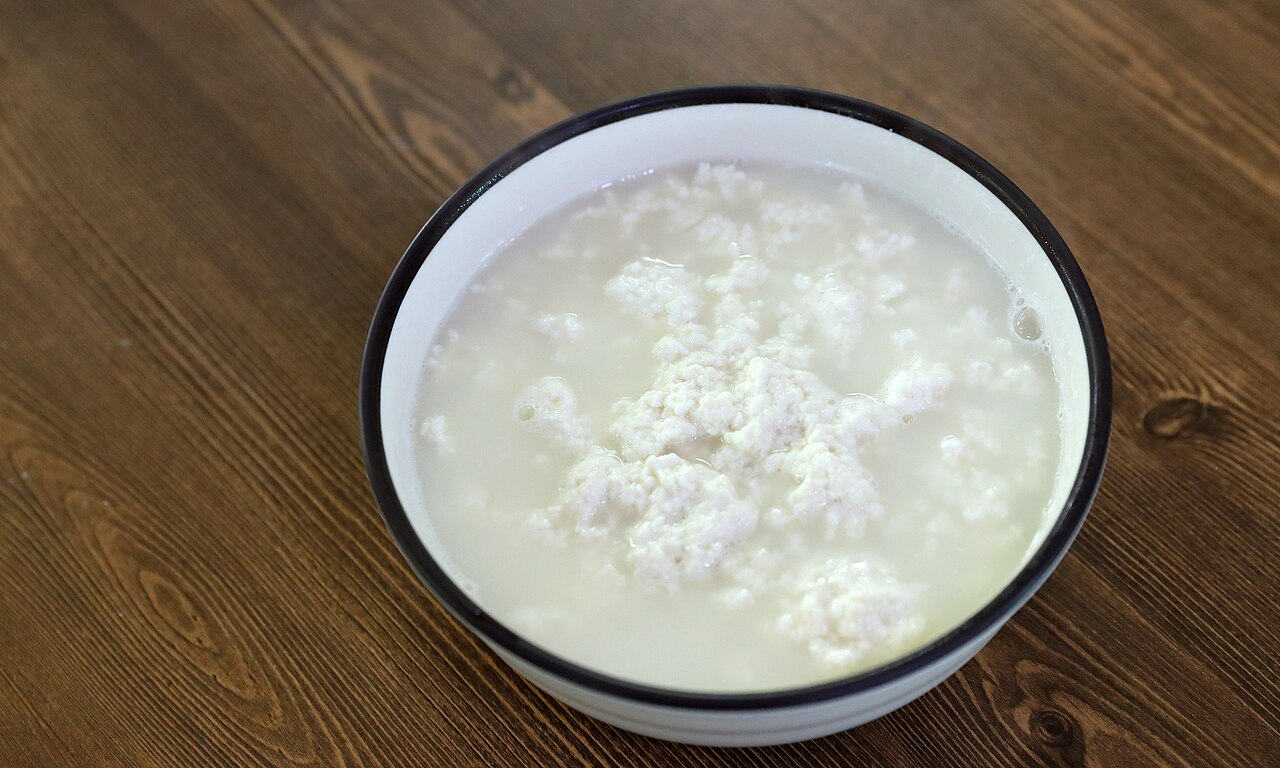
Chodang sundubu is an exceptionally soft, silky fresh tofu from Gangneung's Chodang Village, made using East Sea seawater as a coagulant instead of commercial brine — producing a delicate, subtly briny flavor unique to this coastal region.
Photo: Wikipedia Commons
What Is Chodang Sundubu?
Chodang sundubu (초당순두부) is a type of sundubu (순두부, uncurdled soft tofu) made in Chodang Village (초당동) in Gangneung, Gangwon Province. What distinguishes it from other Korean soft tofu is the coagulant used: instead of the bittern (간수, salt solution) used in commercial tofu production, Chodang sundubu traditionally uses clean East Sea seawater (바닷물, badat-mul). The natural minerals in the seawater coagulate the soy milk and impart a subtle, clean briny flavor that commercial tofu cannot replicate. The result is an extraordinarily silky, delicate tofu with a slightly firmer set than standard sundubu but an almost custard-like smoothness. The flavor is pure soy with a faint echo of the sea — a flavor combination that is simultaneously simple and complex. The tofu is typically served in its cooking liquid, either plain (순두부 그냥), with a soy sauce and chili dip, or as the base for sundubu jjigae (순두부찌개, spicy soft tofu stew). Chodang Village in Gangneung has a cluster of sundubu restaurants and tofu makers who have been practicing this tradition for generations. Many shops also sell fresh tofu to take away, and the product is prized across Korea.
History & Origins
The tradition of making tofu with seawater in Chodang Village is attributed, by local legend, to Heo Gyun (허균, 1569–1618) — the Joseon Dynasty literary figure born in Chodang who wrote 'Honggildong-jeon,' considered Korea's first novel. According to tradition, Heo Gyun first made tofu using seawater from the nearby East Sea, beginning the village's tofu-making tradition. While the historical accuracy of this attribution is debated by scholars, what is certain is that Chodang Village has been known for distinctive tofu for centuries, and its proximity to the clean waters of the East Sea made seawater-coagulated tofu a natural development. The village's tofu tradition was maintained through families who passed the techniques down across generations. Chodang sundubu gained wider national recognition as Gangneung developed as a major tourist destination, particularly after the 2018 PyeongChang Winter Olympics highlighted the region. Food tours of Gangneung now routinely include a stop in Chodang Village for sundubu.
How Koreans Eat It
Chodang sundubu is appreciated for its delicacy — preparations that preserve the tofu's natural flavor are preferred.
- ·Try the plain sundubu first — just the freshly made tofu in its liquid, with a small dipping saucer of soy sauce, sesame oil, and fresh chili — to appreciate the pure flavor
- ·Order sundubu jjigae (순두부찌개) if you prefer a heartier, spicier version — the Chodang sundubu makes the stew exceptionally creamy
- ·Eat while very hot — sundubu cools and firms up quickly, losing its ideal silky texture; restaurants often serve it in a sizzling stone bowl to keep it warm
- ·Pair with plain steamed rice and a few simple banchan — the tofu's delicacy is best complemented by understated accompaniments
Cultural Significance
Chodang sundubu is a beautiful example of how local geography shapes local food. The East Sea's clean, mineral-rich water is not just a setting for this food — it is an ingredient. This direct, intimate connection between place and flavor is exactly what makes regional Korean food so compelling to food lovers. The dish also represents Korea's sophisticated tofu culture, which far exceeds the use of tofu in most Western cooking. Korean tofu preparation distinguishes between dubu (두부, firm tofu), sundubu (순두부, uncurdled soft tofu), and several other varieties, each with specific culinary applications. Chodang sundubu sits at the premium end of this spectrum — the most delicate, most natural, and most regionally specific expression of Korean tofu culture. Visiting Chodang Village to eat sundubu in its place of origin has become a genuine culinary pilgrimage for Korean food lovers. The village's traditional street of sundubu restaurants (초당두부 마을) is a charming, low-key destination that offers a contrast to the more spectacular tourist attractions of Gangneung.
Tips
- 💡Chodang Village is about 10 minutes by taxi from Gangneung city center — combine the visit with Gyeongpo Lake nearby for a pleasant half-day trip
- 💡Buy fresh tofu (신선 순두부) from a Chodang producer to take home if you have refrigeration — it keeps for 2-3 days and is incomparably better than supermarket tofu
- 💡The best Chodang sundubu restaurants are the older, established family-run shops rather than newer franchises — look for the ones that have been operating for 30+ years
Last updated: March 30, 2026
You might also like
Kimchi Jjigae: Korea's Most Comforting Stew
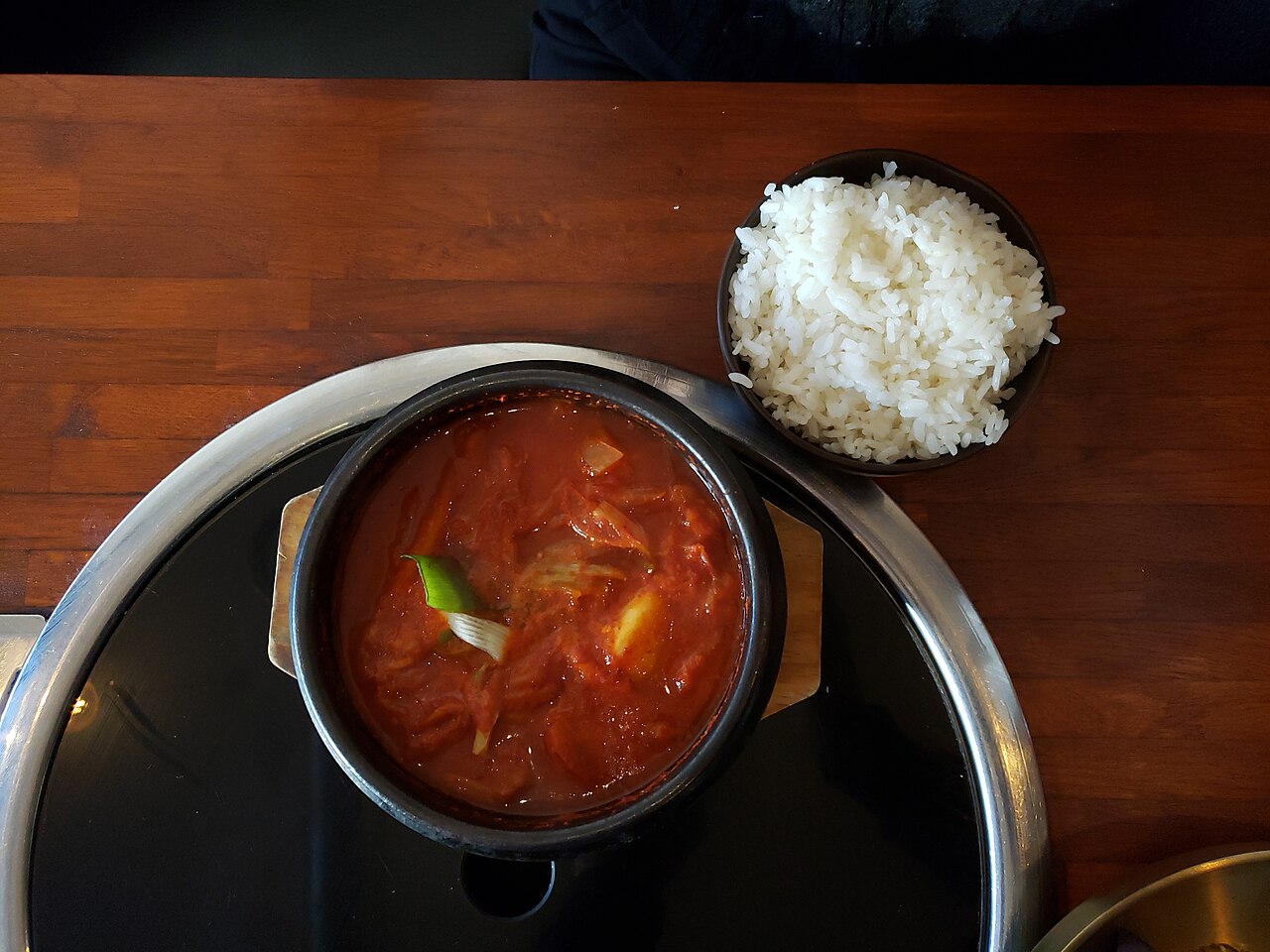
Bubbling hot, deep red, and unmistakably Korean — kimchi jjigae is the stew that every Korean home smells like on a cold evening.
Miyeok-guk: The Birthday Soup That Is Really About Your Mother
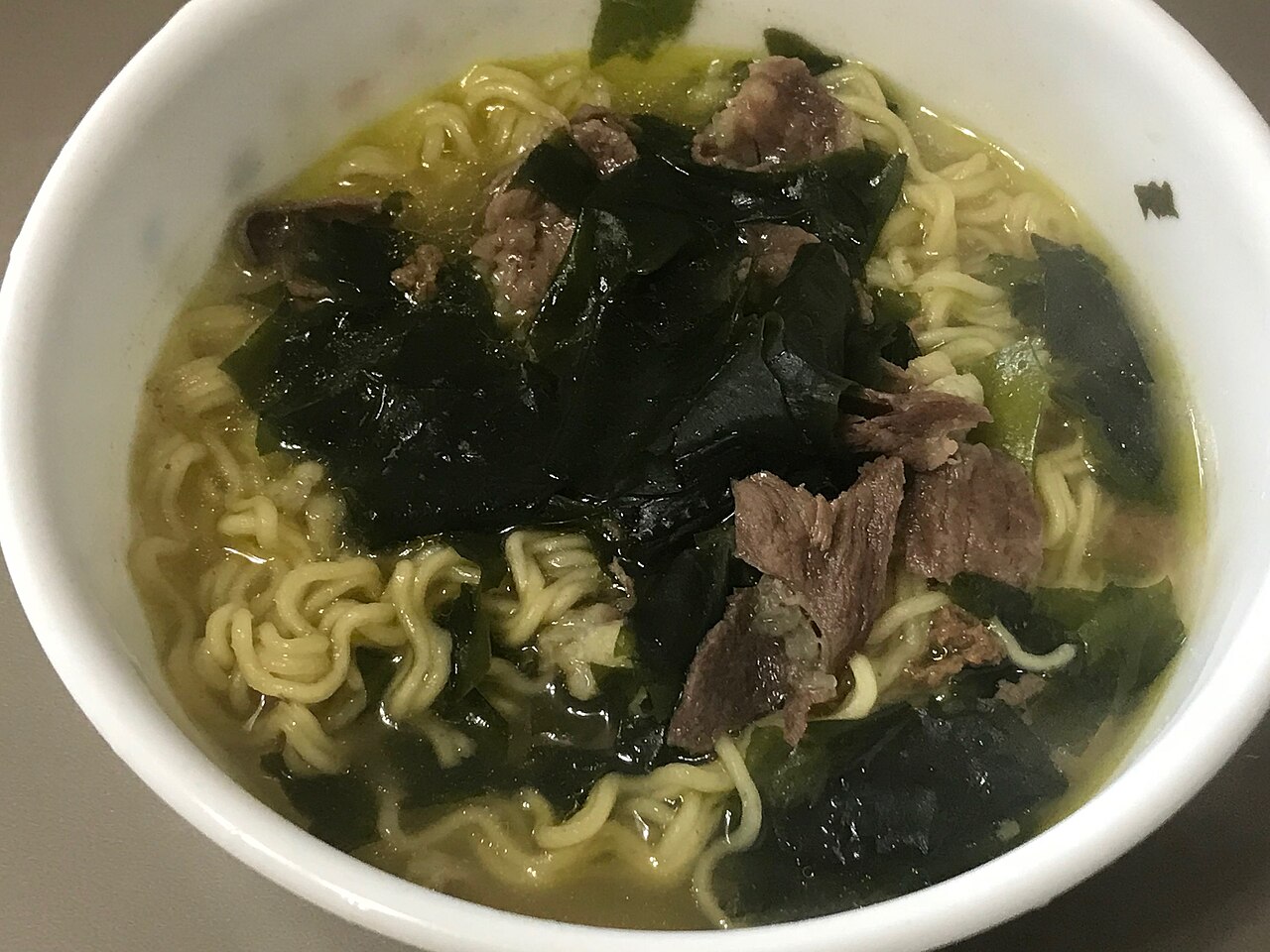
Miyeok-guk is the seaweed soup every Korean eats on their birthday — a tradition that began as postpartum recovery food and became an annual act of gratitude to one's mother.
Chimaek: Why Korean Fried Chicken Is the World's Best
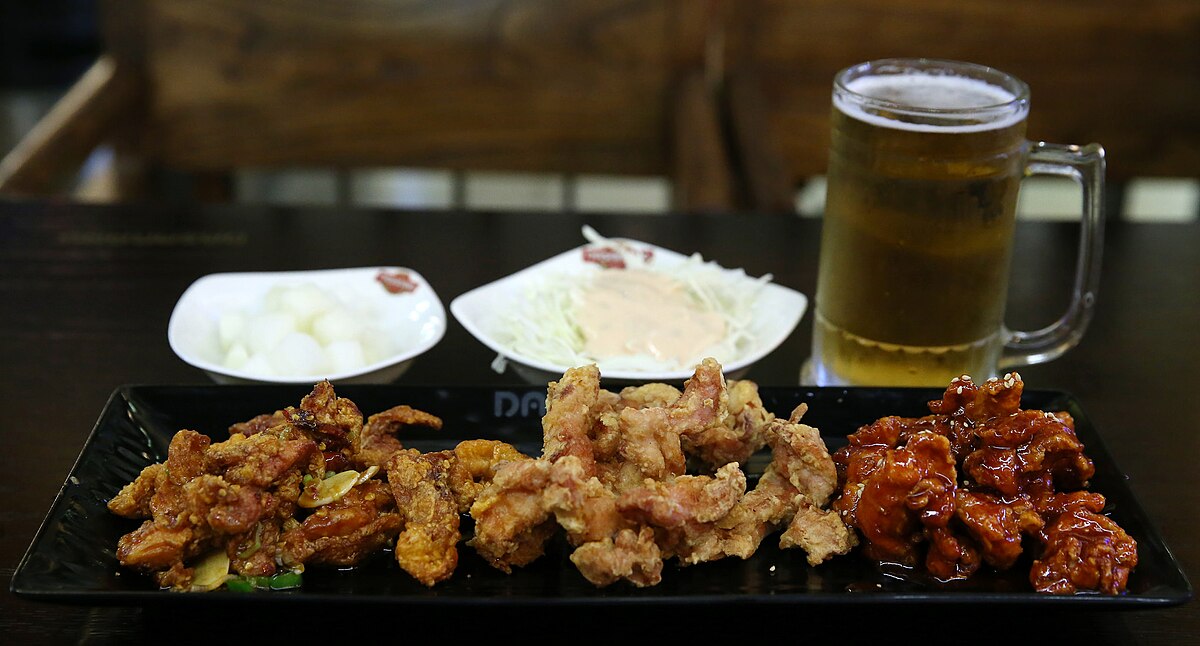
Korea has more fried chicken restaurants than McDonald's has locations worldwide. Here's the science and culture behind the crunch.